
Top 10 Essential Tips for Building Your Dream Home in New Zealand
- helpmebuildnz
- Jan 18
- 3 min read

Updated: 5 hours ago
Building a new home in New Zealand is an exciting journey, but it can also be complex and challenging. From choosing the right location to managing costs and assembling the right team, every step requires careful planning and informed decisions. Whether you are building from scratch or renovating, these ten essential tips will help you avoid common pitfalls and make the process smoother and more rewarding.
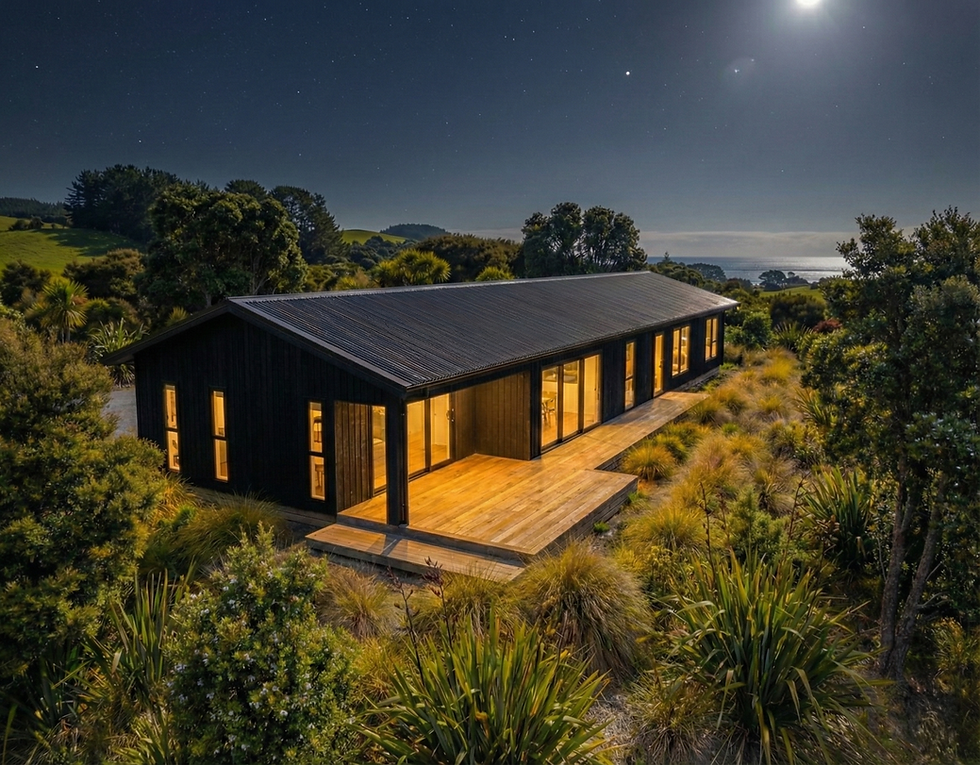
1. Choose the Right Location Carefully
Location affects everything from your lifestyle to your home's value. Consider factors such as proximity to work, schools, public transport, and amenities. Also, check the land’s zoning, soil quality, and any natural hazards like flooding or slips. For example, building on a hillside might offer stunning views but could increase foundation costs.
2. Set a Realistic Budget and Include Contingencies
Many homeowners underestimate the total cost of building. Beyond construction, include costs for permits, design fees, landscaping, and unexpected expenses. A good rule is to add a contingency of 10-15% to your budget. For instance, if your build is estimated at NZD 500,000, set aside an extra NZD 50,000 to NZD 75,000 for surprises.
3. Plan Your Home Design Around Your Lifestyle
Think about how you live now and how your needs might change. Do you need a home office, space for children to play, or easy access for elderly family members? Open-plan living is popular in New Zealand, but consider how much privacy you want. Customising your design to fit your lifestyle will improve your long-term satisfaction.
4. Understand the Building Consent Process
Building consent is sometimes mandatory in New Zealand and ensures your home meets safety and quality standards. The process can take weeks or months, so start early. Work with someone familiar with local council requirements to avoid delays. For example, some councils require detailed site plans and engineering reports before approval.
5. Assemble a Reliable Building Team
Your builder, architect, and tradespeople will shape your home. Choose professionals with strong reputations and experience in New Zealand’s building standards. Ask for references and visit past projects if possible. A good project management team communicates clearly and keeps you updated throughout the build.
6. Prioritise Energy Efficiency and Sustainability
New Zealand’s climate and energy costs make efficiency important. Consider insulation, double glazing, and solar panels to reduce heating bills. Using sustainable materials like certified timber or recycled products can also lower your environmental impact. For example, a well-insulated home can save hundreds of dollars annually on heating.
7. Prepare for Weather and Seasonal Challenges
New Zealand’s weather can be unpredictable. Plan your build schedule around seasons to avoid delays from rain or cold. Protect materials on-site to prevent damage. For example, roofing and framing are best done in drier months to avoid moisture issues.
8. Communicate Regularly and Clearly
Regular communication with your builder and team helps catch problems early. Set up weekly check-ins or site visits to review progress. Keep a written record of decisions and changes to avoid misunderstandings. Clear communication can prevent costly mistakes and keep your project on track.
9. Expect and Manage Delays
Delays are common in building projects due to weather, supply shortages, or unexpected site issues. Build flexibility into your timeline and budget. For example, if timber delivery is delayed, your builder might need to reschedule trades, affecting the overall schedule. Being prepared reduces stress.
10. Plan for Future Maintenance and Upgrades
A new home still requires ongoing care. Choose durable materials and finishes that are easy to maintain. Think about future upgrades like adding a deck or extending rooms. Planning ahead can save money and hassle later. For example, installing extra electrical conduits during construction makes adding smart home features easier.
For more help to realise your project make a Free HelpMeBuild Discovery Consultation


Comments